

.webp)


Best B2B Websites in 2026: 15 Examples Built to Convert
Find out how to improve your conversions in days not months.
Key Takeaways
- Positioning gets decided fast. Visitors form a "yes" or "no" opinion within about five seconds of landing on a page.
- Speed is a conversion lever, not just a technical checkbox. B2B sites that load in one second convert at roughly 3x the rate of sites that take five seconds.
- Buyer-led navigation, organized by role, use case, or industry, consistently outperforms a long list of generic top-level nav links.
- Trust signals like case studies and customer logos work best woven throughout the page instead of parked at the bottom.
- If your site looks great but isn't turning traffic into pipeline, that's usually a messaging and conversion problem, not a design one, and it's exactly where Curio comes in.
The best B2B websites turn a first-time visit into a real conversation with a potential buyer. If that conversation is confusing, slow, or forgettable, you've lost that buyer before your sales team ever gets a chance to talk to them.
We analyzed 15 B2B websites that get this right and broke down what makes each one work and what converts business buyers, plus what you can apply to your own site.
What Makes a B2B Website One of the Best
Search "best B2B websites" and you'll find three different categories mixed together: global wholesale marketplaces like Alibaba, e-commerce platforms like Amazon Business, and corporate or SaaS marketing sites built for design and conversion.
So, what actually separates a great B2B site from a forgettable one? It comes down to how well the site balances looking good with actually working.
A beautiful site that doesn't convert is just an expensive brochure, while an ugly site with great copy still loses trust before anyone reads a word.
The best B2B websites share a few core traits:
- Messaging clarity: Visitors understand what you do and who it is for within seconds
- Buyer-led UX: Navigation matches how buyers actually evaluate solutions
- Conversion architecture: Every page answers "what do I do next?"
- Trust signals: Social proof and brand consistency reduce friction
- Technical performance: Fast load times keep visitors engaged
How We Ranked the Best B2B Websites
We reviewed dozens of B2B SaaS and service websites to find 15 that demonstrate what works. Rather than picking sites that just look nice, we focused on practical elements you can study and use to apply their best practices to your own site.
Here's what we evaluated:
- Hero messaging: Does the headline communicate value in one sentence?
- Navigation structure: Can different buyer types find relevant paths quickly?
- CTA placement: Are calls to action visible and specific?
- Page speed: Does the site load quickly on desktop and mobile?
- Design consistency: Does the visual system feel cohesive across pages?
- Social proof: Are logos and testimonials placed strategically?
- Interactive elements: Does the site use demos or product previews effectively?
15 Best B2B Websites Built to Convert
1. Stripe
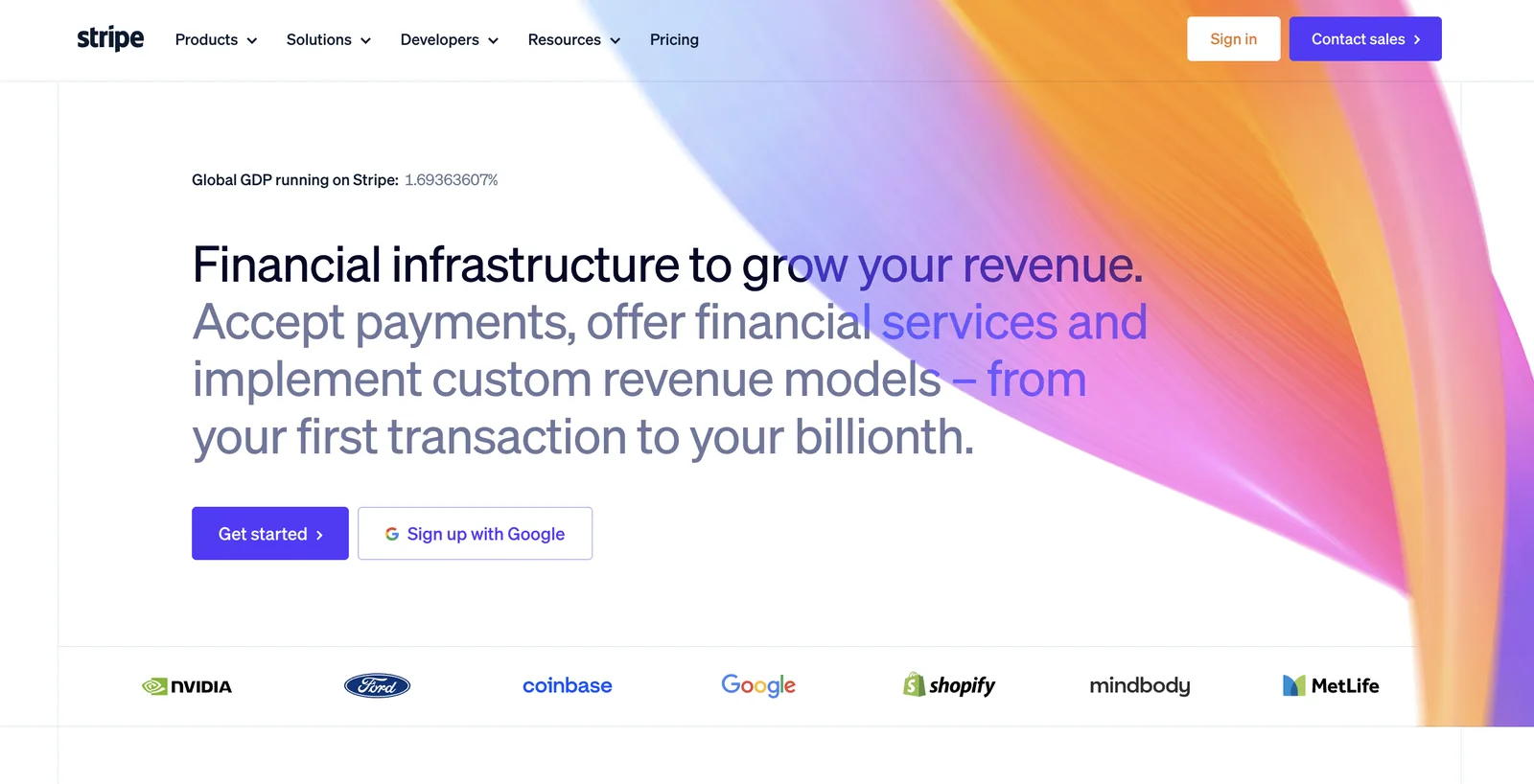
Stripe's site comes up constantly in conversations about B2B web design, and for good reason. The navigation cleanly separates developer documentation from business buyer content, and the visual design feels premium without sacrificing clarity. If you're trying to serve both technical and non-technical audiences, Stripe is worth studying.
2. Webflow
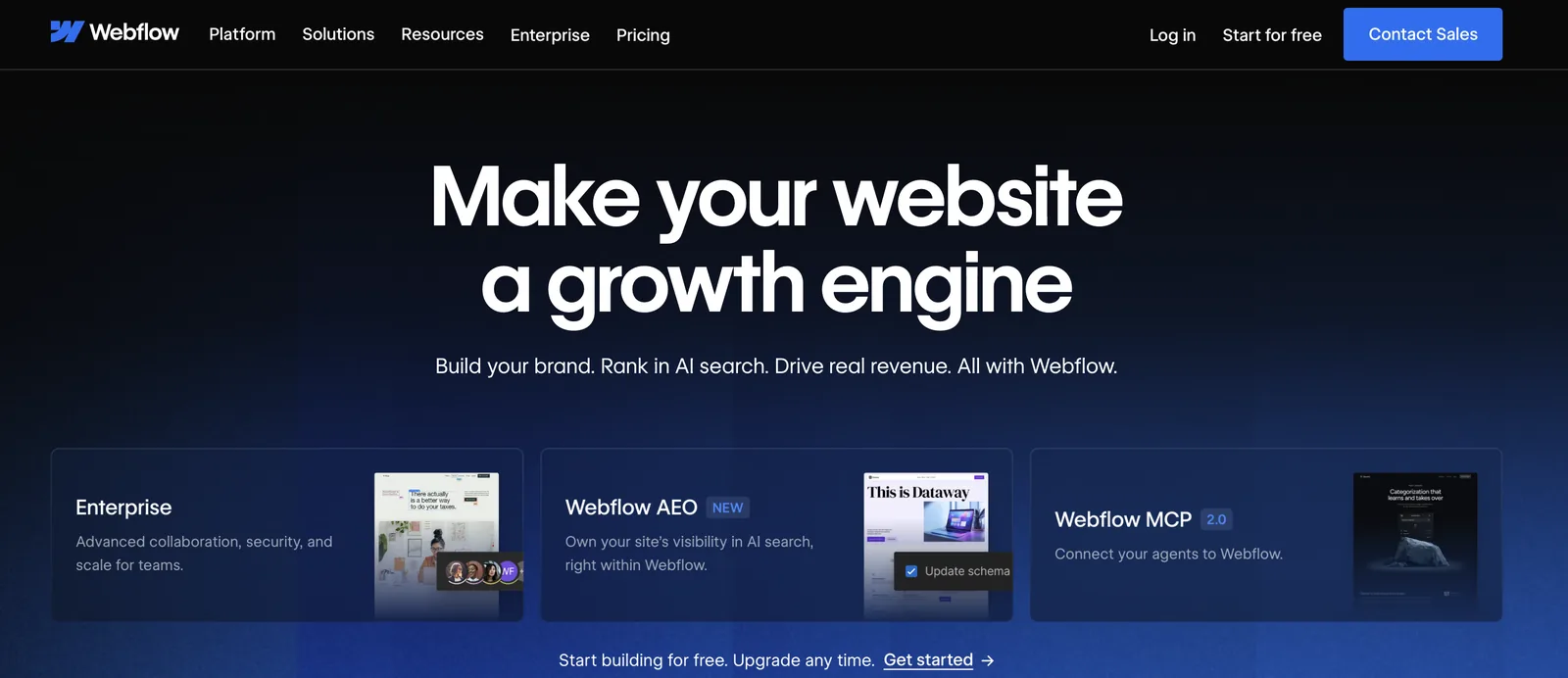
Webflow routes designers, developers, and marketers to different paths without overwhelming anyone. The product-led conversion flow lets visitors start building immediately, which reduces friction for self-serve buyers and lets the product do the selling.
3. Linear
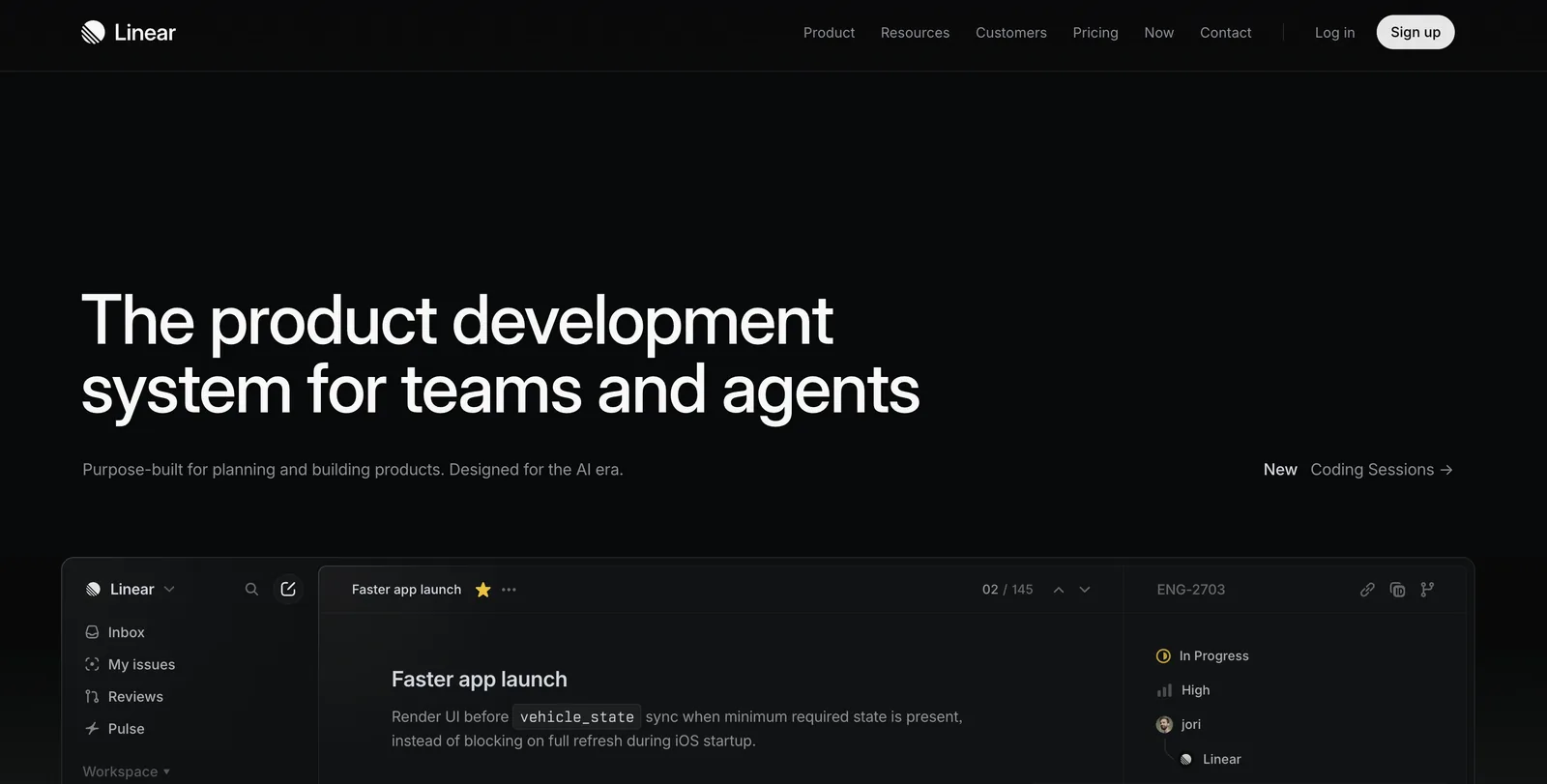
Linear proves that minimal design can build trust with technical audiences. The site loads fast, the messaging is sharp, and there's no clutter competing for attention.
4. Vercel
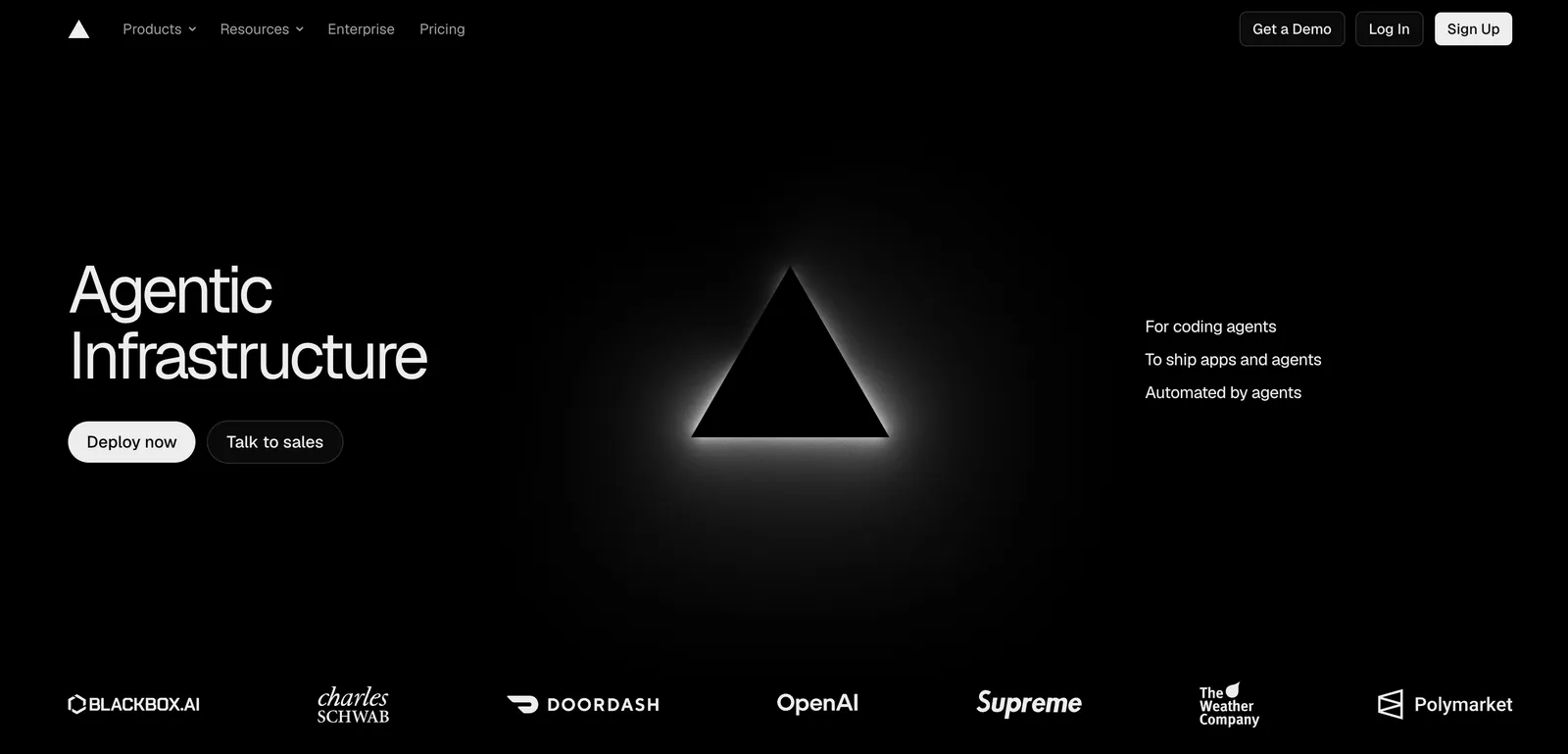
Vercel positions itself for developers first, then creates clear paths to enterprise sales. The interactive demos and tight integration with documentation show rather than tell, making a complex product feel approachable.
5. Notion
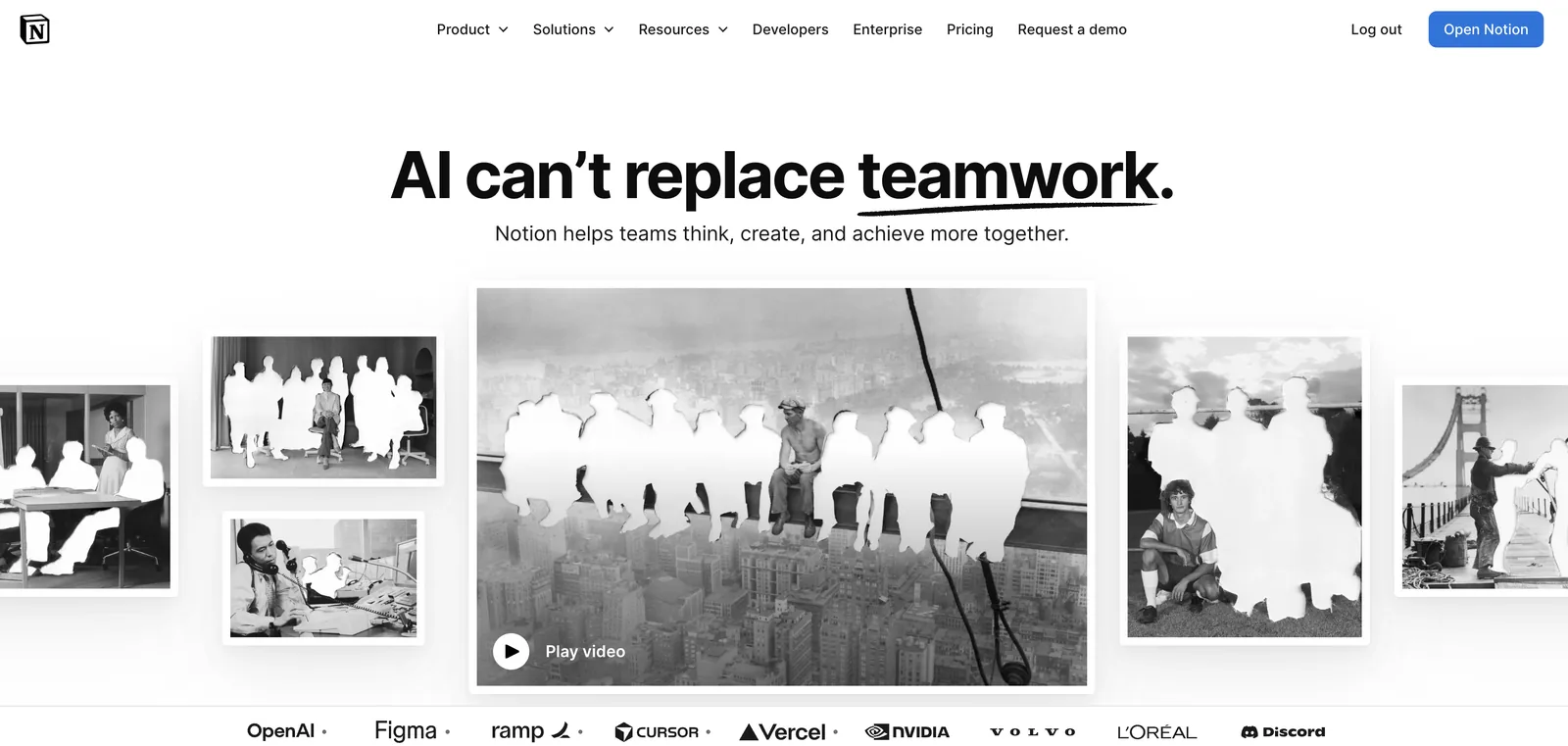
Notion's use-case-driven navigation helps different buyer types self-select. Whether you're a startup founder or an enterprise team lead, you can find relevant content quickly, and every page focuses on outcomes rather than features.
6. HubSpot
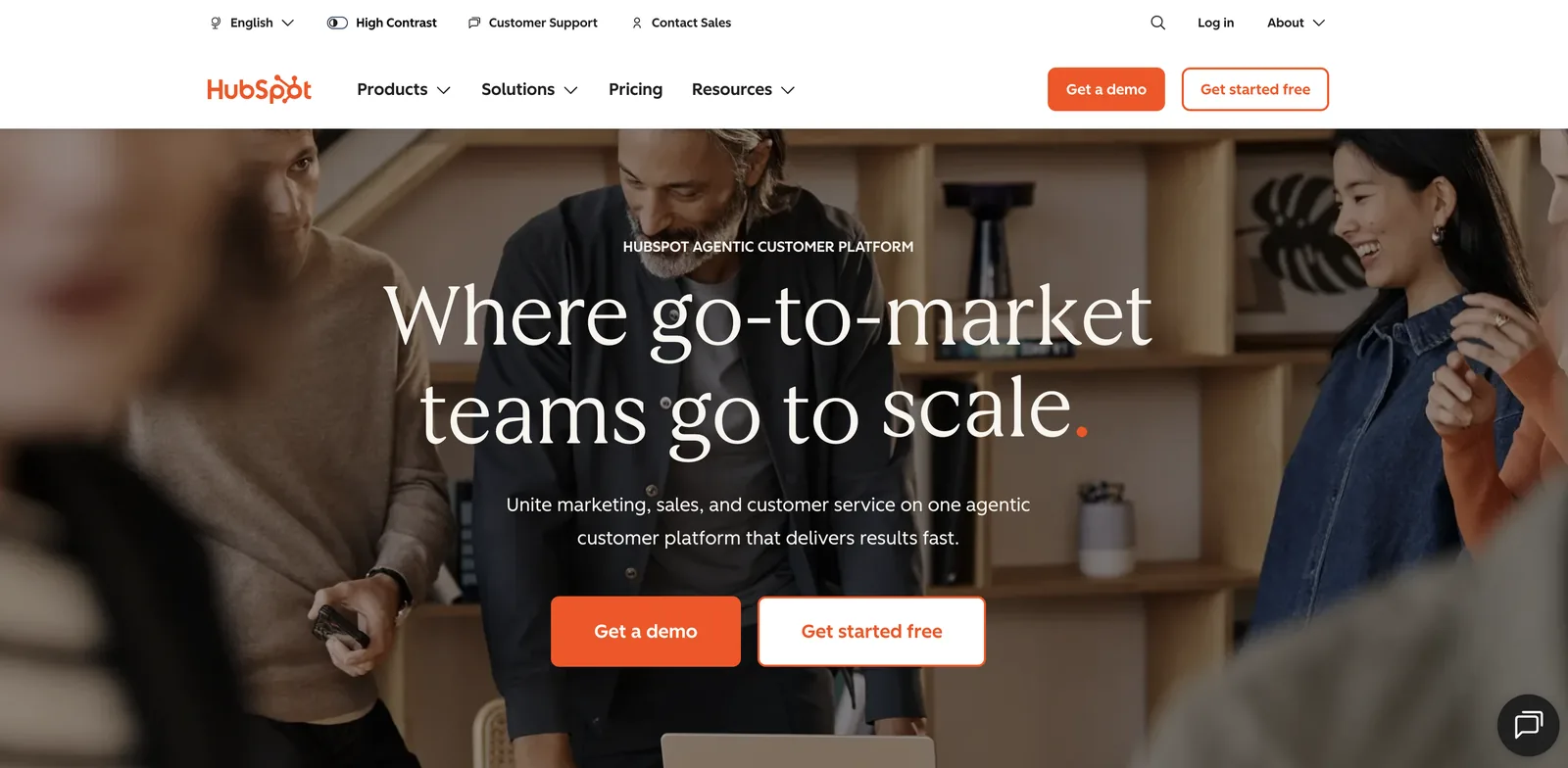
HubSpot serves an incredibly diverse audience, yet the site never feels overwhelming. Every page answers "what do I do next?" with clear CTAs, and the resource library and free tools create multiple entry points for different buyer stages.
7. Ramp
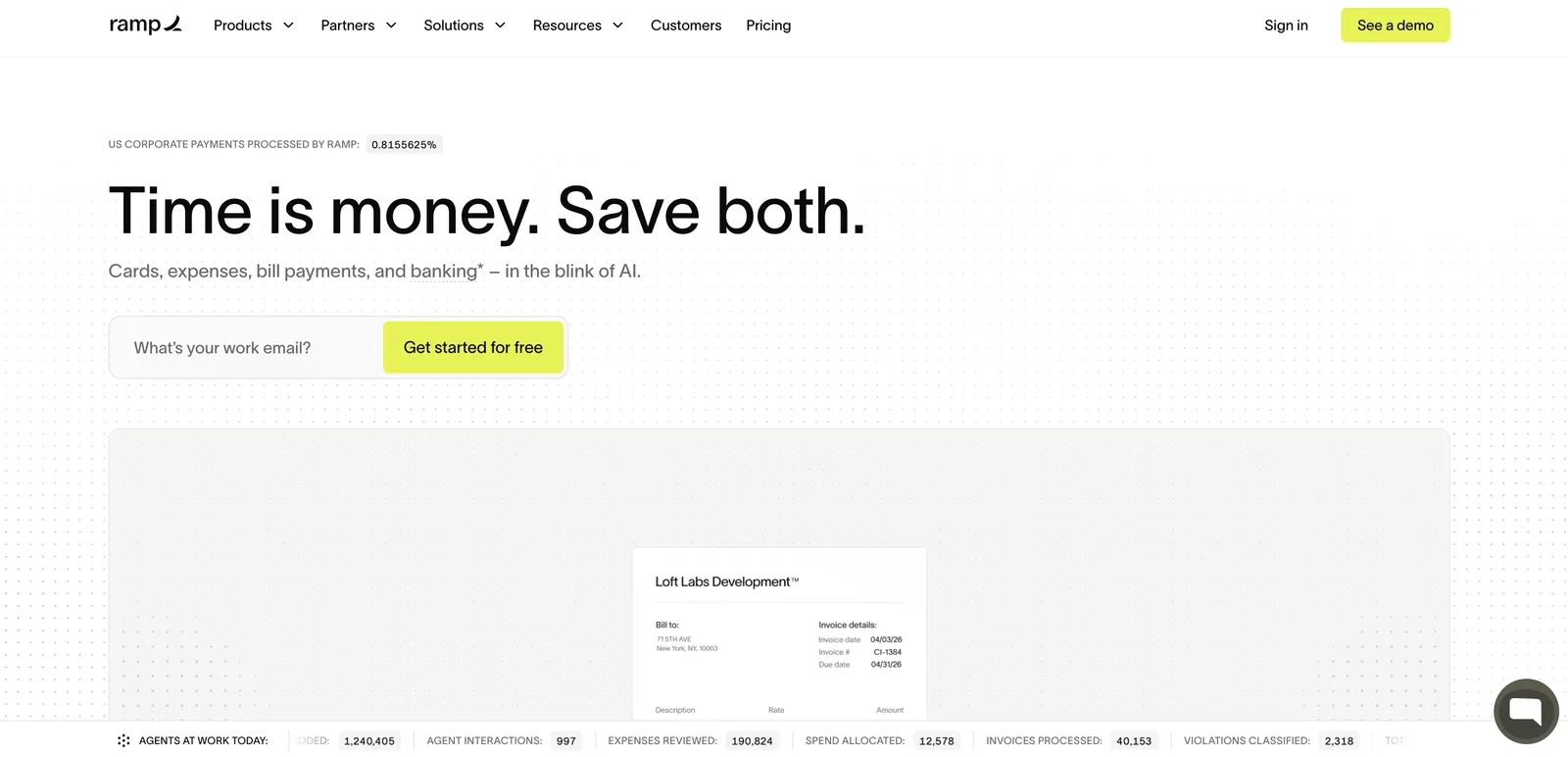
Ramp uses bold branding to stand out in the crowded fintech space. The landing pages are conversion-optimized with strong ROI messaging and prominent social proof, and the site isn't afraid to make claims and back them up with specifics.
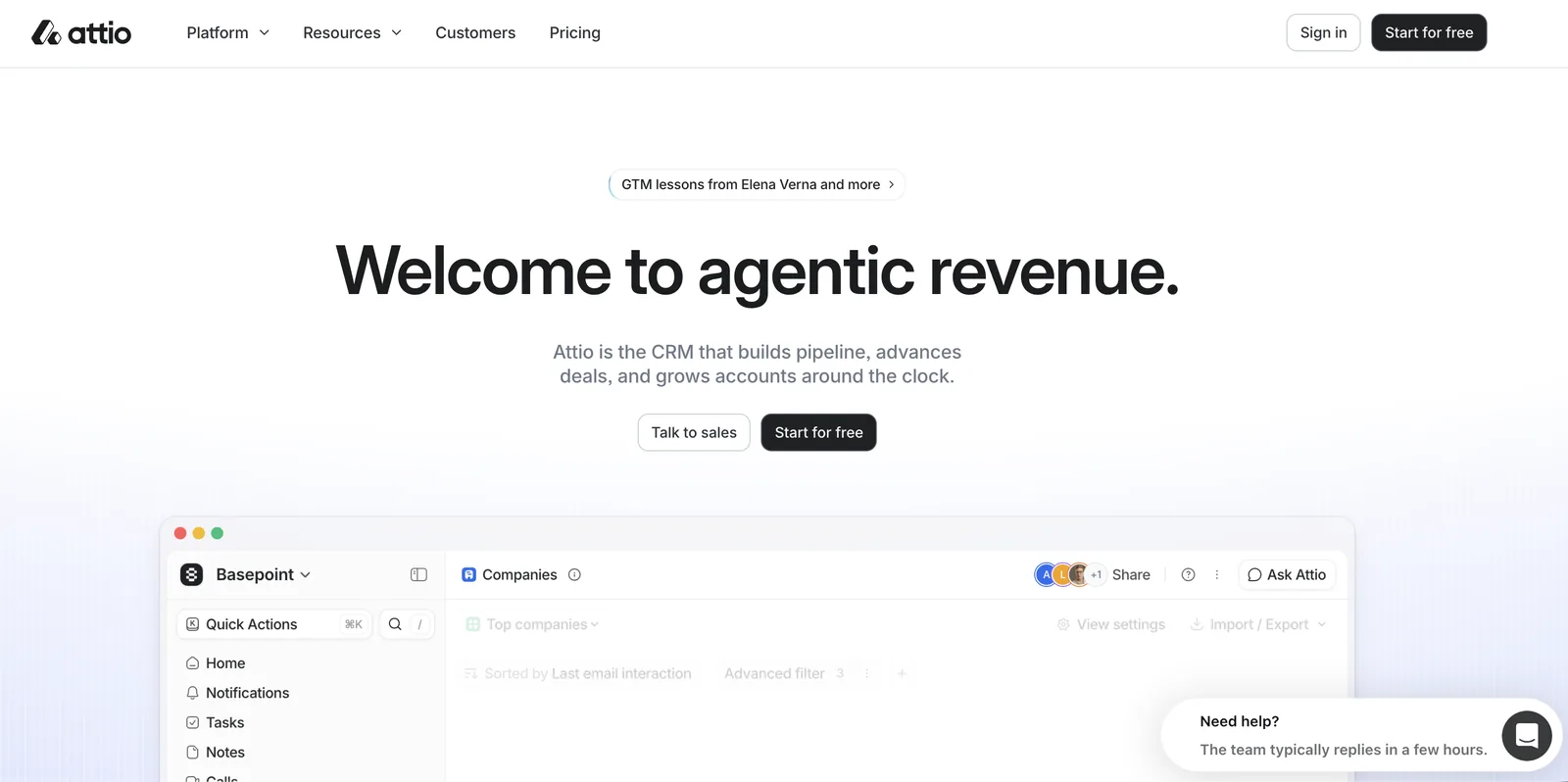
8. Attio
Attio differentiates through design in the crowded CRM market. The clean visual hierarchy and modern aesthetic signal that this isn't a legacy CRM; the design itself is a positioning statement.
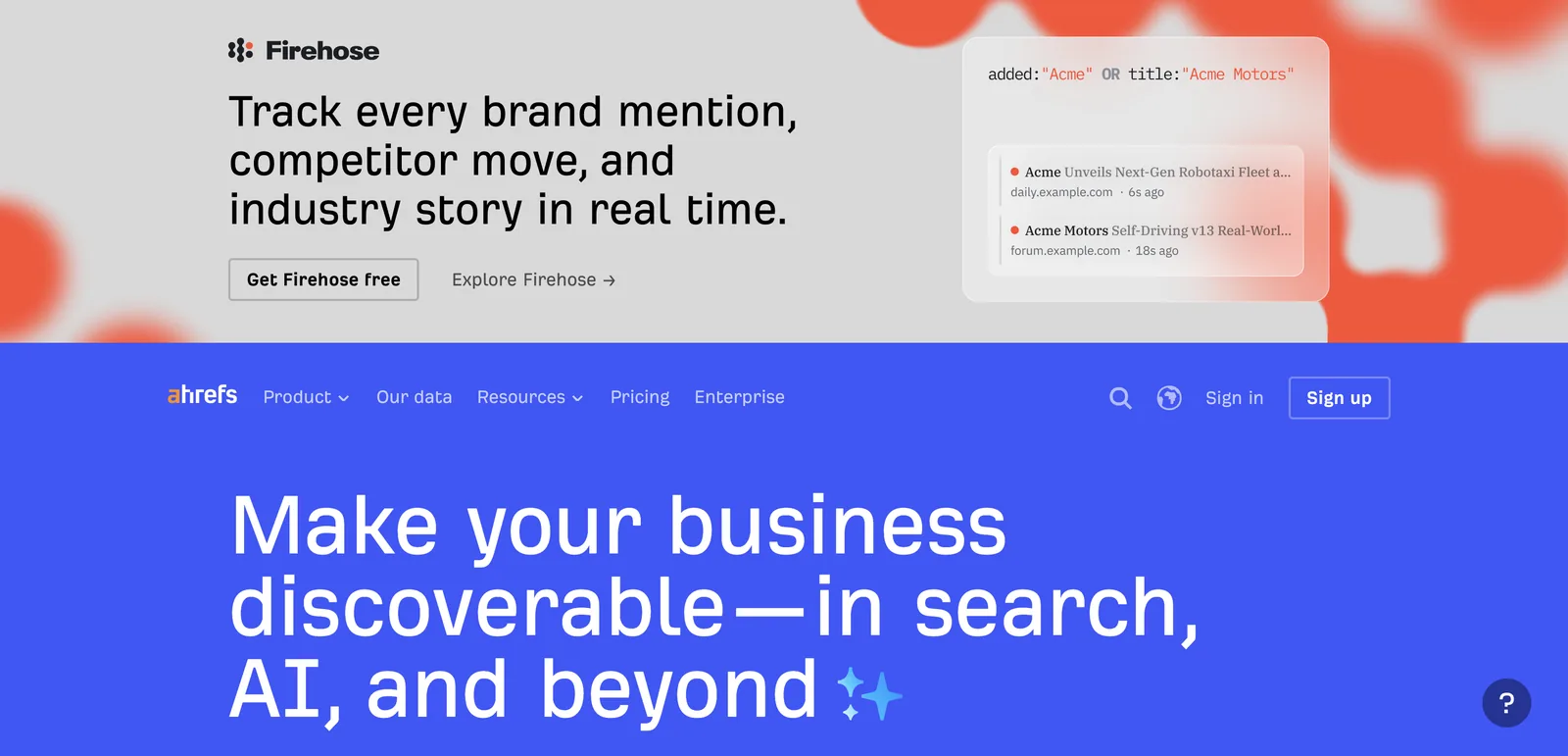
9. Ahrefs
Ahrefs builds trust before the sale with free tools and transparent pricing. The self-serve experience lets visitors experience value immediately, an approach that works especially well for product-led growth companies.
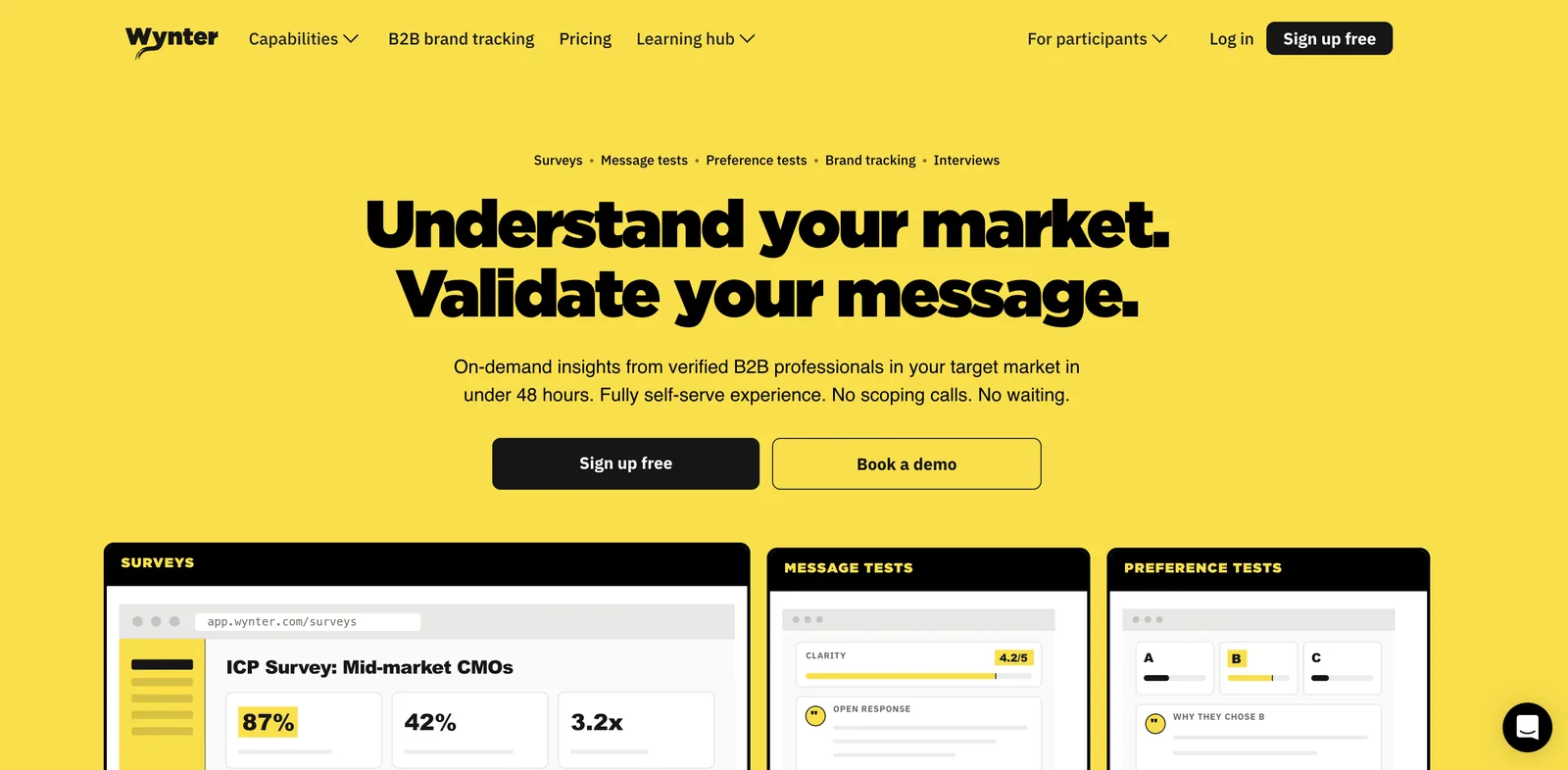
10. Wynter
Wynter's hero section delivers a clear value proposition in seconds. The navigation is clean, and social proof appears early, saying exactly what the product does without jargon.
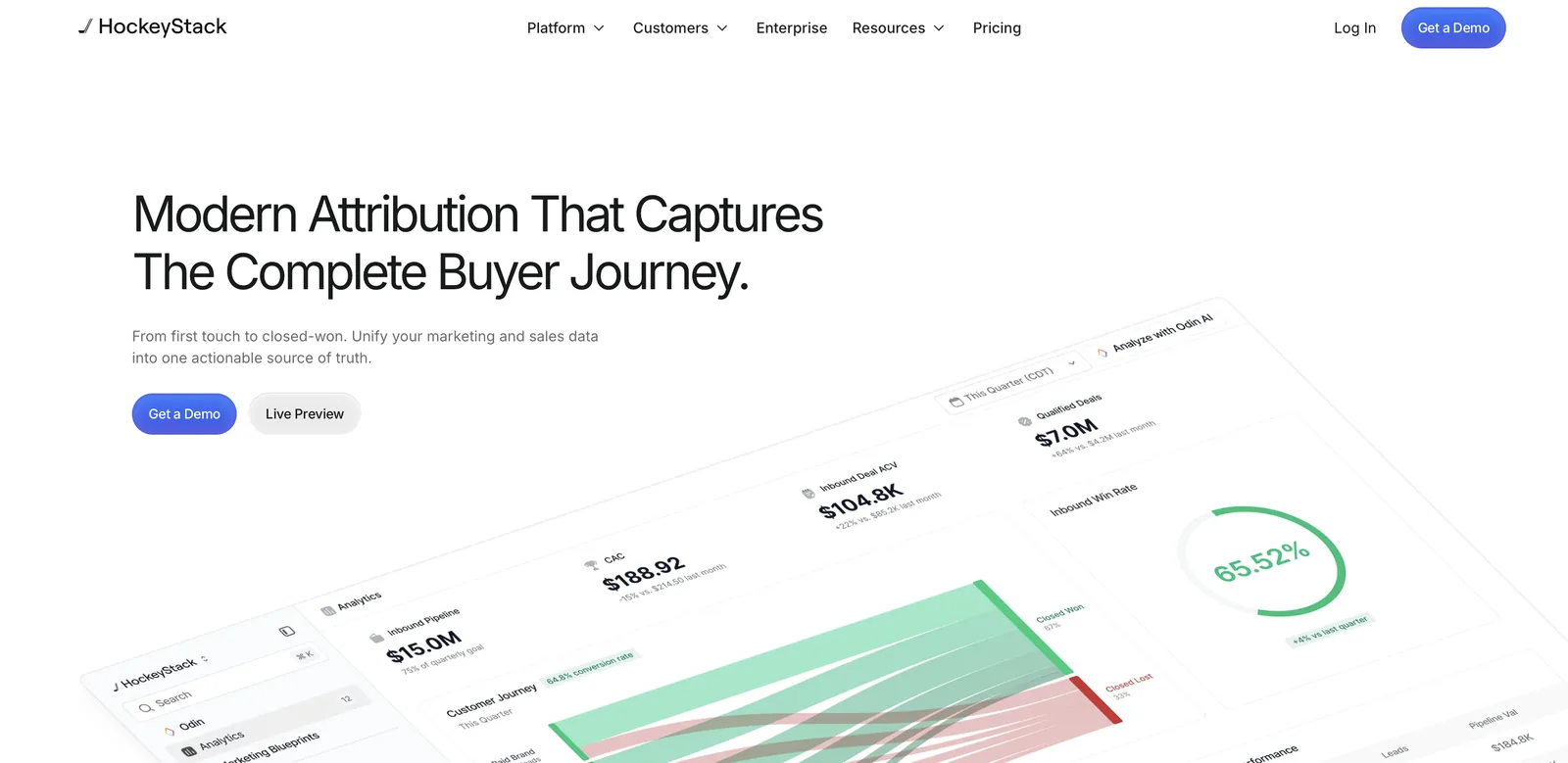
11. HockeyStack
HockeyStack uses bold, distinctive branding to stand out in B2B analytics. The site clearly communicates product positioning while maintaining a conversion-optimized experience throughout.
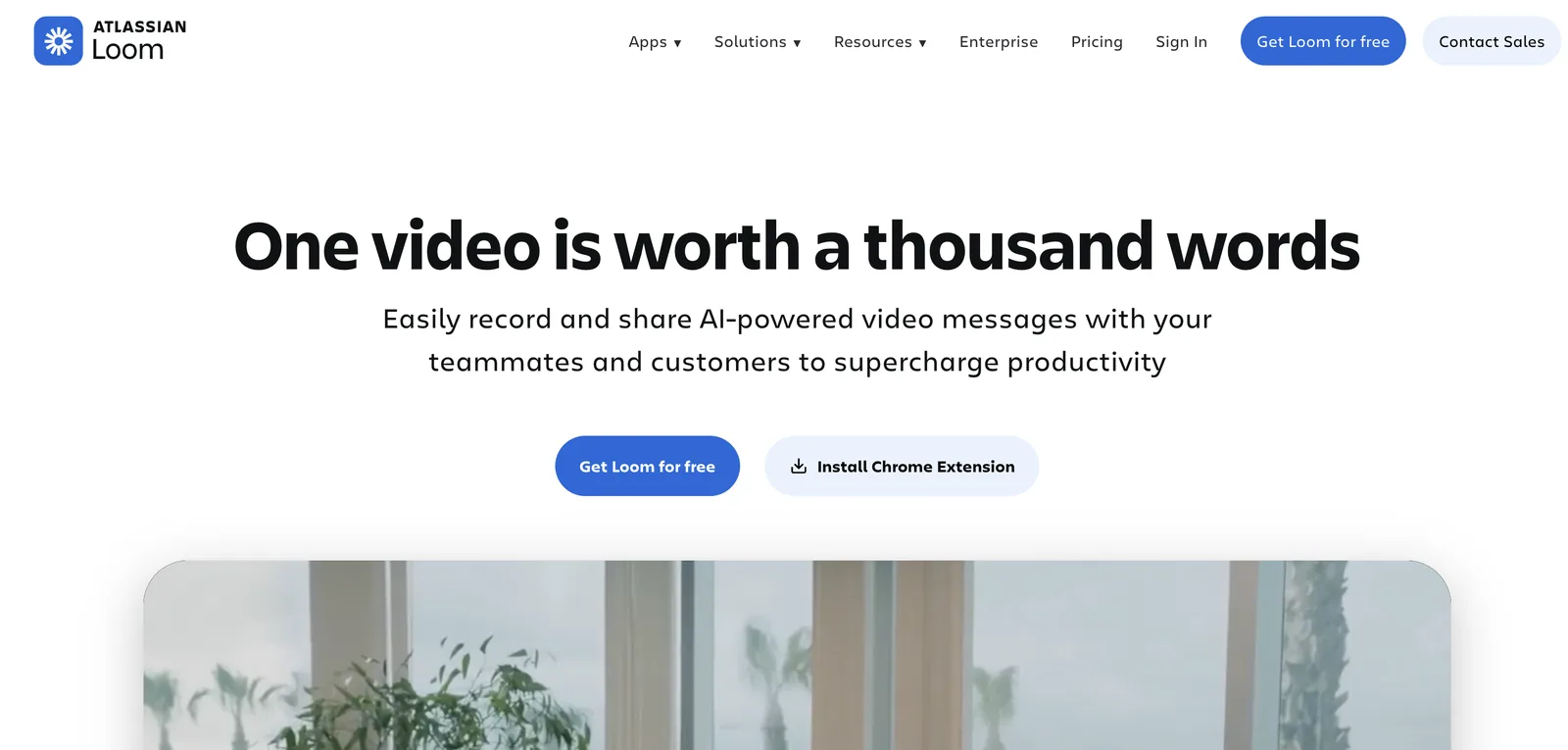
12. Loom
Loom embeds video demos throughout the site, which makes perfect sense for a video product. The messaging is simple, and visitors understand the value proposition almost immediately.
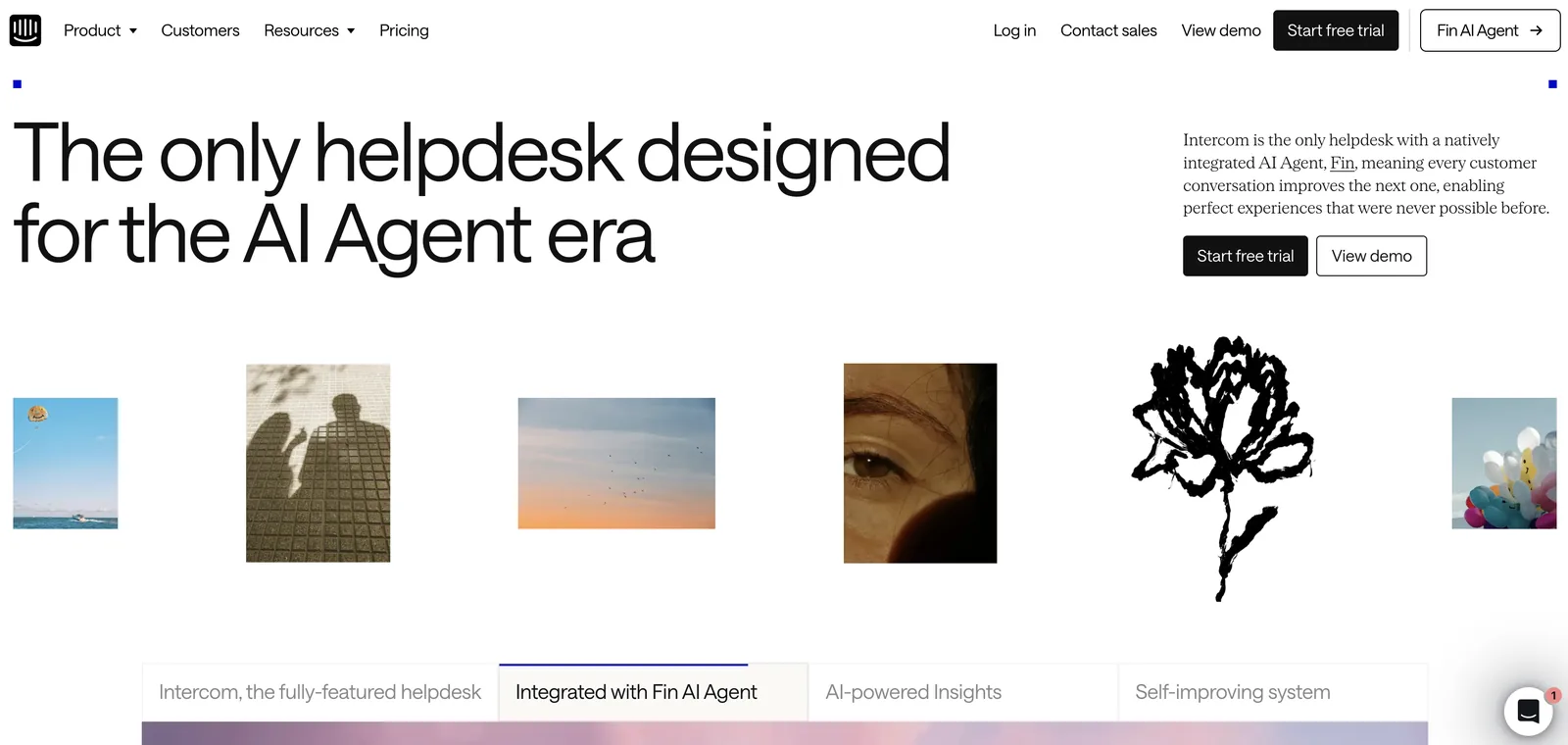
13. Intercom
Intercom simplifies a complex platform through use-case navigation. The AI messaging integration and product demos help visitors understand capabilities without getting lost in feature lists.
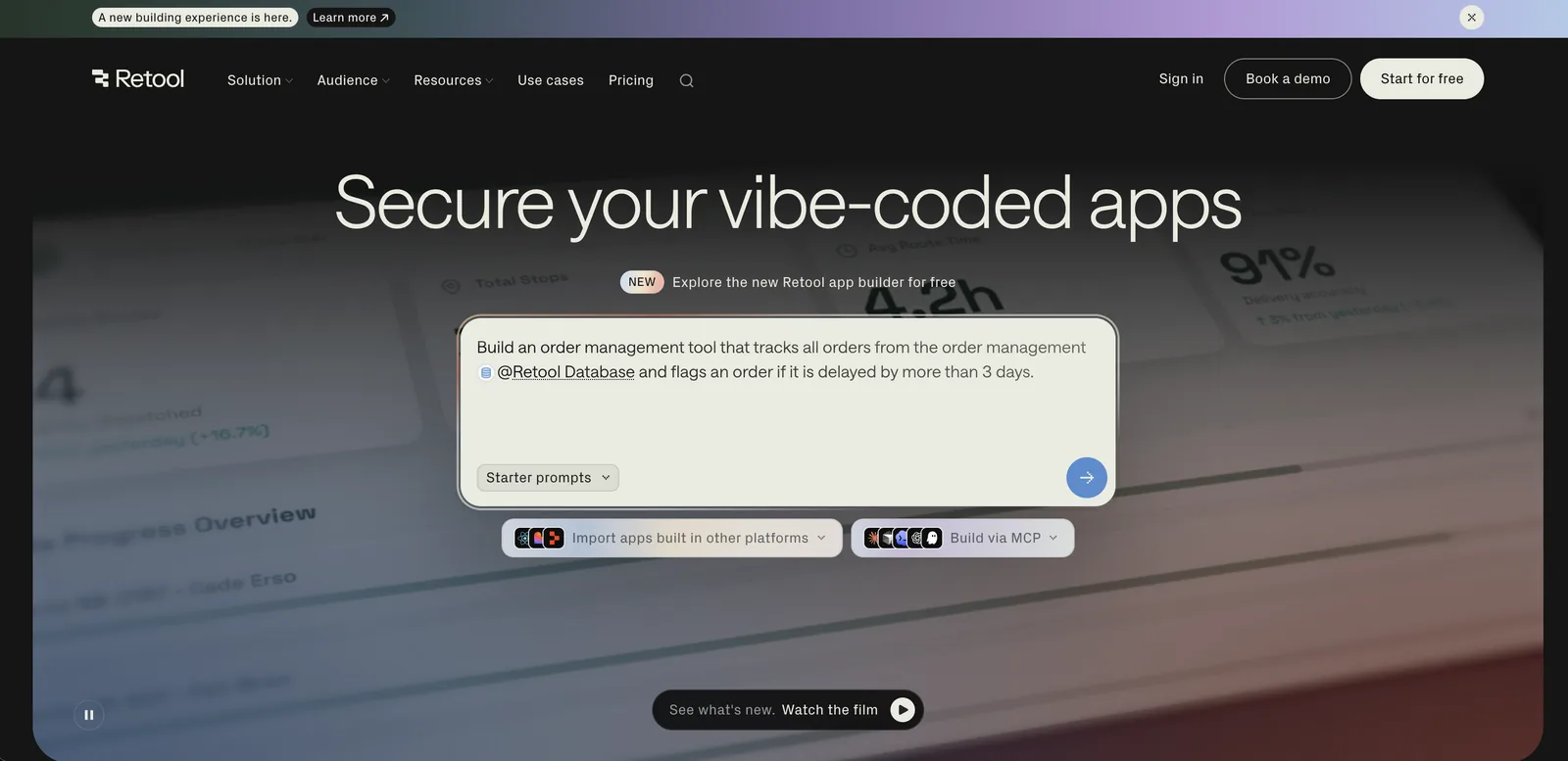
14. Retool
Retool makes a technical product accessible through clear documentation and interactive examples. The developer-first approach doesn't exclude business buyers; it routes them appropriately.
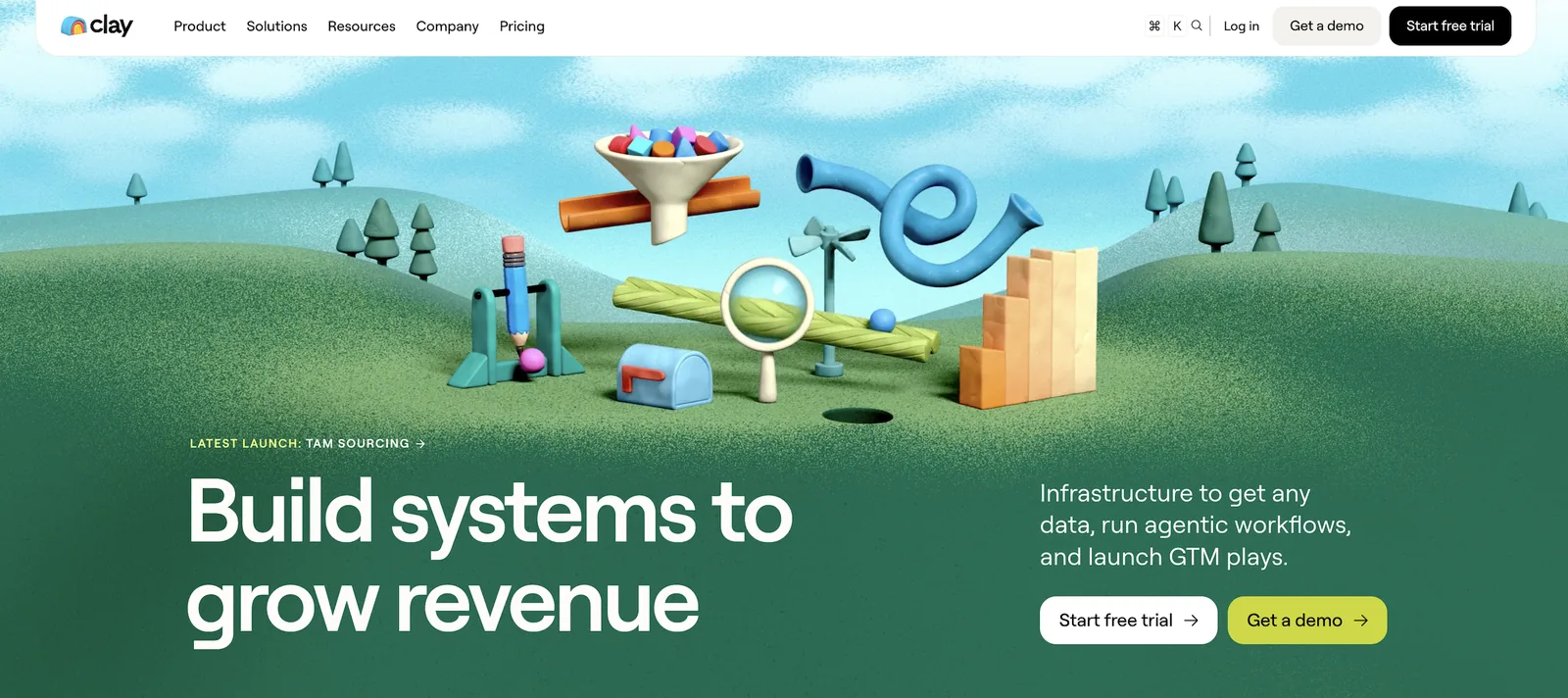
15. Clay
Clay's visual design stands out in a category where many sites look interchangeable, and the site itself demonstrates product capability through the experience visitors have while using it.
What the Best B2B Websites Have in Common
Looking across all 15 sites, a handful of patterns show up again and again. These aren't isolated design choices but the building blocks that let a website do real selling work instead of just sitting there, looking nice.
Sharp Messaging and Clear Positioning
Top sites communicate value in the hero section. Headlines state outcomes, not features, and subheads clarify the audience. The best sites answer "what is this and who is it for?" within five seconds of landing on the page.
Buyer-Led Navigation
Navigation structures serve multiple personas by role, use case, or industry. The goal is helping visitors self-select without overwhelming them with options. Dropdown menus with clear categories work better than endless top-level links.
Trust Signals and Social Proof
Logos, testimonials, and case studies appear early and often on high-performing B2B sites. Case studies carry particular weight.
In fact, Demand Gen Report's B2B content preferences research found that most B2B buyers actively seek out case studies during evaluation, ranking them among the most requested content types in the middle of the buying journey. The best sites don't bury social proof at the bottom of the page; they integrate it throughout, especially near CTAs.
Fast Page Speed and Strong Core Web Vitals
Performance matters for B2B. Slow sites signal unprofessionalism and hurt conversion rates. Portent's site speed research found that B2B lead generation sites loading in one second convert at roughly 3x the rate of sites loading in five seconds, with conversion rates dropping sharply as load time increases beyond that. Google's Core Web Vitals also factor into search rankings, so speed is both a UX and SEO concern.
Interactive Product Demos and Visuals
Top sites show rather than tell. Embedded demos, product screenshots, and interactive elements help visitors understand the product without scheduling a call, which matters more as buyer behavior shifts. A March 2026 Gartner survey found that 67% of B2B buyers now prefer a rep-free buying experience, up from 61% the year before. This is especially important for self-serve and product-led growth models.
Conversion-Focused Calls to Action
CTAs use specific language like "Start Free Trial" instead of vague phrases like "Learn More." Strategic placement puts CTAs where visitors are ready to act, and low-friction options like free trials reduce barriers for early-stage buyers.
Consistent Design Systems
Cohesive visual design builds brand trust. Typography, color, spacing, and component reuse create a professional impression, while inconsistent design makes visitors question whether the product is equally disorganized.
Why Webflow Powers the Best B2B SaaS Websites
Many of the sites on this list are built on Webflow. The platform gives marketing teams speed and flexibility without constant developer dependency:
- Publishing independence: Marketing teams can update pages without engineering tickets
- Visual development: Rapid iteration on landing pages without code
- Built-in CMS: Scalable content operations for blogs and resources
- Native hosting: Strong performance and security out of the box
- Design system support: Sites stay consistent as they grow
At Curio Digital, we've built more than 100 Webflow sites for B2B SaaS companies. As a Webflow Enterprise Partner, we've seen firsthand how the platform enables teams to move faster while maintaining quality. If you're evaluating a redesign, see how we'd approach your site.
How to Benchmark Your B2B Website Against the Best
You can evaluate your own site using the same criteria applied to this list:
- Audit your hero messaging. Can a first-time visitor understand what you do and who it is for in under five seconds?
- Map your buyer journeys. Do your navigation and page structure match how your buyers actually evaluate solutions?
- Test your page speed. Run your site through PageSpeed Insights and compare against the examples in this list.
- Review your CTAs. Is every page clear about the next step?
- Assess your social proof. Are trust signals visible early on key pages?
- Check your mobile experience. Do your most important pages work well on mobile devices?
Build a B2B Website That Converts With Curio Digital
We design and build conversion-focused websites for B2B SaaS companies. Our work blends design with data-driven strategy, so your site guides visitors toward action instead of just looking good.
FAQs About the Best B2B Websites
What platform do most top B2B websites use?
Many high-performing B2B SaaS websites are built on Webflow, WordPress, or custom frameworks. The best platform depends on your team's needs for speed, flexibility, and ease of updates.
How much does a high-performing B2B website cost to build?
Costs vary widely based on scope, design complexity, and integrations. A professionally designed B2B SaaS website typically requires a meaningful investment reflecting the strategic and technical work involved.
How long does a B2B SaaS website redesign take?
Most B2B website redesigns take between six and 12 weeks, depending on scope and content readiness. Complex sites with migrations or custom functionality may take longer.
What is the difference between B2B and B2C website design?
B2B websites typically support longer sales cycles with multiple stakeholders, requiring more educational content, trust signals, and clear navigation for different buyer personas. B2C sites often prioritize faster, more emotional purchase decisions.
Should a B2B website prioritize design or conversion?
The best B2B websites do both. Strong design builds trust and credibility, while conversion-focused structure ensures visitors take action.
What's next?






Let's build something worth finding.
Every engagement starts with a conversation. We'll learn about your business, your buyers, and where your website is losing them.